- 1. Top Clerical Errors That Delay Refunds
- 2. Income Underreporting: The Automated Matching System
- 3. Best Practices for Error-Free Filing
- Key Takeaways
- Frequently Asked Questions (FAQs)
- What is the leading cause of rejected tax returns and delayed refunds?
- How does the tax authority detect unrecorded 1099 or freelance income?
- Does an extension to file grant an extension to pay taxes owed?
Every year, tax authorities process millions of tax returns containing basic clerical, mathematical, and reporting errors. While some mistakes merely delay the disbursement of a tax refund, others trigger automatic audit flags, penalties, and compounding interest charges.
The vast majority of tax filing errors are completely preventable with basic diligence and electronic filing tools.
1. Top Clerical Errors That Delay Refunds
- Mismatched Identification Numbers: Transposing numbers in Social Security Numbers (SSNs), National Insurance numbers, or dependent birth dates is the leading cause of immediate automated return rejection.
- Incorrect Direct Deposit Bank Details: Entering an incorrect routing or account number can cause refunds to be sent to wrong accounts or returned to the treasury, delaying access to your money by weeks.
- Filing Under the Wrong Status: Choosing Single instead of Head of Household, or vice versa, alters your standard deduction and bracket calculations.
2. Income Underreporting: The Automated Matching System
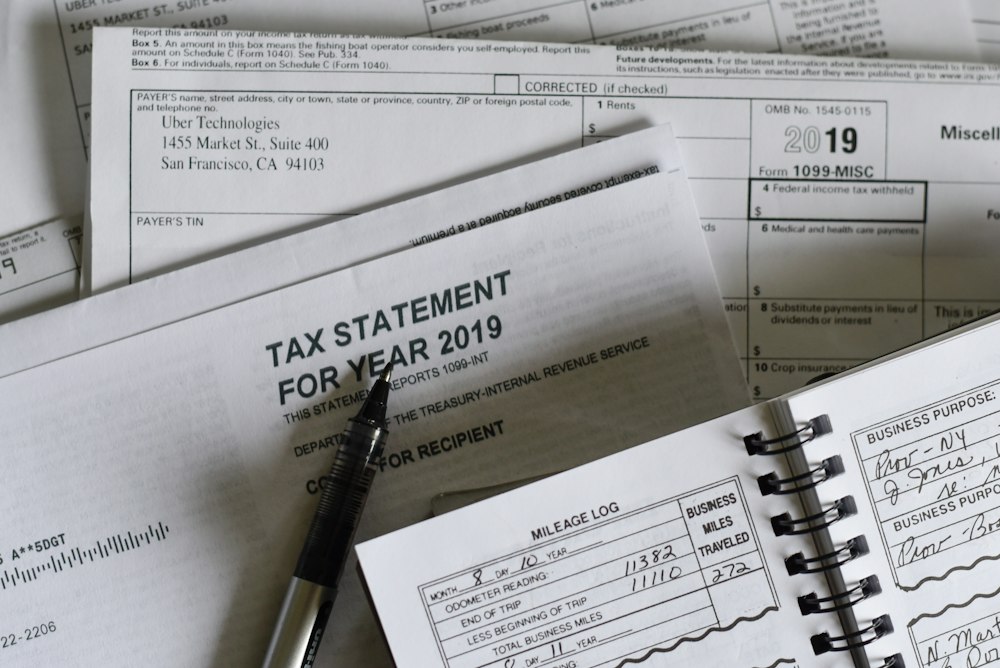
Modern tax authorities do not manually audit returns to catch unrecorded income; automated computer algorithms (such as the IRS Automated Underreporter Program) cross-reference your return against copies of information returns sent directly by third parties:
- Form W-2 (Wage and salary income from employers)
- Form 1099-INT / 1099-DIV (Interest and dividends from banks and brokerages)
- Form 1099-B (Proceeds from stock and asset sales)
- Form 1099-K (Payment platform transactions)
If an institution reports paying you $600 in freelance income and that sum is missing from your filing, the computer automatically generates a Notice of Proposed Assessment (CP2000) demanding back taxes and penalties.
3. Best Practices for Error-Free Filing
- File Electronically with Direct Deposit: Paper returns experience error rates exceeding 20%, whereas electronic filings with reputable software boast error rates below 1%.
- Never Guess on Cost Basis: Ensure 1099-B statements list whether capital gains are “covered” (basis reported to the IRS) or “uncovered.”
- If You Need Time, Request an Extension: Filing a formal extension grants you an additional 6 months to organize documents. Note: An extension to file is NOT an extension to pay taxes owed. You must still estimate and pay your liability by the original deadline.
Key Takeaways
- Clerical errors on identification and banking numbers remain the most common cause of rejected returns and delayed refunds.
- Always report all third-party 1099 and W-2 income to avoid automated algorithmic audit notices.
- File electronically and request an official filing extension if you need more time to assemble accurate financial records.
Frequently Asked Questions (FAQs)
What is the leading cause of rejected tax returns and delayed refunds?
Basic clerical errors: misspelled names, transposed Social Security or tax ID numbers, and incorrect bank routing/account numbers for direct deposits.
How does the tax authority detect unrecorded 1099 or freelance income?
Automated computer matching programs cross-reference your return against copies of Forms W-2, 1099-INT, 1099-DIV, and 1099-NEC transmitted directly by employers, banks, and clients.
Does an extension to file grant an extension to pay taxes owed?
No. A tax extension grants an extra 6 months to submit paperwork, but you must still estimate and pay any tax liability by the original filing deadline to avoid interest and late-payment penalties.