- 1. The IPO Lifecycle: From Pitch Deck to Ticker Symbol
- 2. The Mechanics of the “IPO Pop” and the Lock-Up Expiration
- The 180-Day Insider Lock-Up Period
- 3. Prudent Rules for Retail Investors Evaluating IPOs
- Key Takeaways
- Frequently Asked Questions (FAQs)
- Can retail investors buy shares at the initial IPO offering price?
- What is an insider lock-up period?
- Why do so many IPO stocks underperform in their first year?
An Initial Public Offering (IPO) represents a watershed milestone in a company’s corporate journey. It marks the transition from a privately owned entity—funded by founders, venture capital funds, and angel investors—into a publicly traded corporation listed on an open exchange.
While financial media frequently hypes IPOs with sensational headlines, retail investors must understand the structural incentives governing public offerings to avoid buying overpriced shares at the peak of speculative euphoria.
1. The IPO Lifecycle: From Pitch Deck to Ticker Symbol
The process of taking a private company public requires 6 to 18 months of intensive regulatory and financial preparation:
- Hiring Underwriters: The issuing corporation retains major investment banks (such as Goldman Sachs, Morgan Stanley, or JPMorgan) who lead the offering, conduct due diligence, and guarantee a portion of capital.
- Filing the Registration Statement (Form S-1): In the United States, the company files an extensive prospectus with the SEC detailing its historical audited revenues, debt liabilities, corporate risks, executive compensation, and intended use of offering proceeds.
- The Institutional Roadshow: Executives pitch their business model to sovereign wealth funds, hedge funds, and mutual fund managers to solicit advance orders and establish the initial offering price range.
- Pricing and Allocation: The underwriters finalize the share price on the evening preceding the listing. The vast majority of shares at the initial offering price are allocated to institutional clients, not retail investors.
2. The Mechanics of the “IPO Pop” and the Lock-Up Expiration
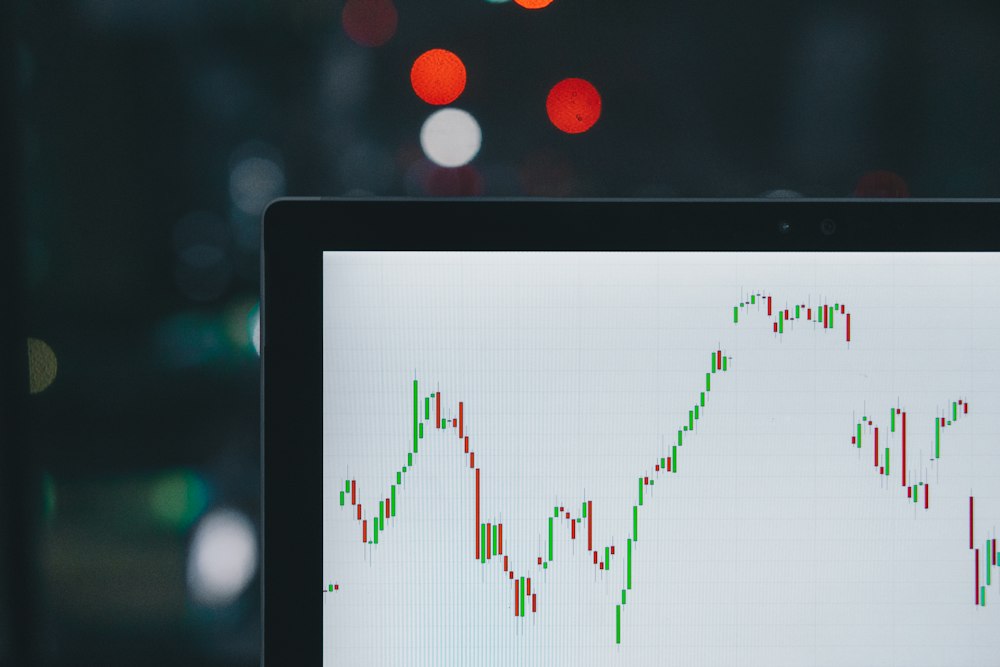
Retail investors rarely have access to shares at the primary IPO price. By the time shares begin trading on the public exchange at 9:30 AM or 10:00 AM, the opening price has frequently been bid up substantially—a phenomenon known as the “IPO Pop.”
Retail investors buying at market open are often purchasing shares at significant valuation premiums from institutional investors who purchased at the discounted pre-market price.
The 180-Day Insider Lock-Up Period
SEC regulations typically enforce an insider lock-up period (conventionally 90 to 180 days) preventing company founders, early employees, and venture capitalists from dumping their shares immediately. When the lock-up expires, millions of shares often flood the market, creating temporary downward price volatility.
3. Prudent Rules for Retail Investors Evaluating IPOs
- Read the Risk Factors Section: Always review the mandatory “Risk Factors” disclosure in the prospectus to discover customer concentration, legal vulnerabilities, or unsustainable cash burn rates.
- Wait 6 to 12 Months: Let the speculative hype dissipate. Allow the company to report two to three quarters of public earnings statements so you can evaluate how management performs under the scrutiny of public market accountability.
Key Takeaways
- An IPO allows private companies to raise equity capital from public market investors while providing an exit for early venture backers.
- Institutional investors receive preferential primary allocations, leaving retail investors vulnerable to paying inflated premiums on opening day.
- A prudent strategy is waiting 6 to 12 months after listing to evaluate audited public earnings and observe the impact of insider lock-up expirations.
Frequently Asked Questions (FAQs)
Can retail investors buy shares at the initial IPO offering price?
Rarely. The initial offering price is primarily allocated to institutional clients, mutual funds, and high-net-worth accounts. Retail investors generally purchase shares when open trading begins on the exchange.
What is an insider lock-up period?
A lock-up period (typically 90 to 180 days post-IPO) prevents company founders, executives, and early venture capitalists from selling shares, ensuring price stability during initial public trading.
Why do so many IPO stocks underperform in their first year?
IPOs are often timed during peaks of industry hype to maximize capital raised for early investors. Once public quarterly earnings transparency begins, inflated valuation multiples frequently compress.